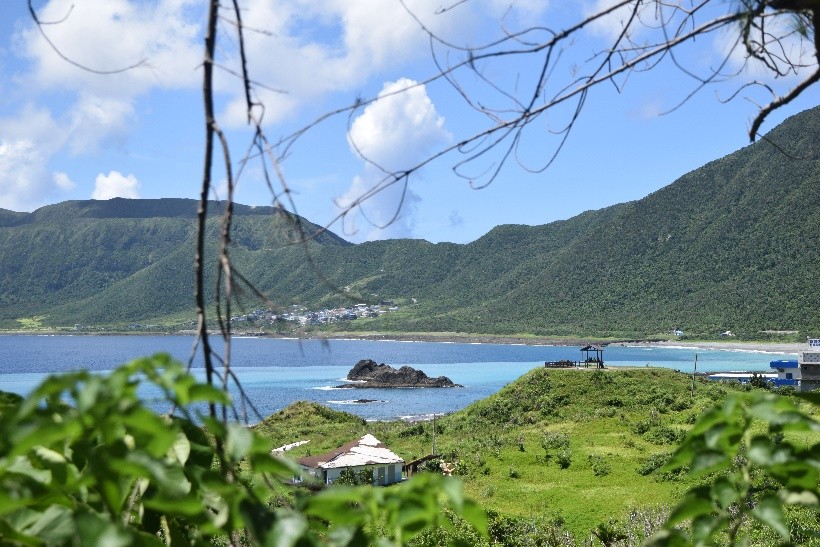
Lanyu, an island off the southeastern coast of Taiwan, has long been home to the Tao people. Over the past two decades, however, its natural landscapes and culture have attracted an increasing number of visitors, placing increasing pressure on the island’s resources and environment. I visited the island last summer.
Travel has always been a source of inspiration for me. Beyond experiencing nature, I encounter architecture through moving across landscapes, towns, and everyday spaces. I had always been accustomed to expressing my ideas through spatial design or the design of events—the outcomes of architectural thinking. Kasiboan made me realize that architectural action itself, the process, can also be a declaration.
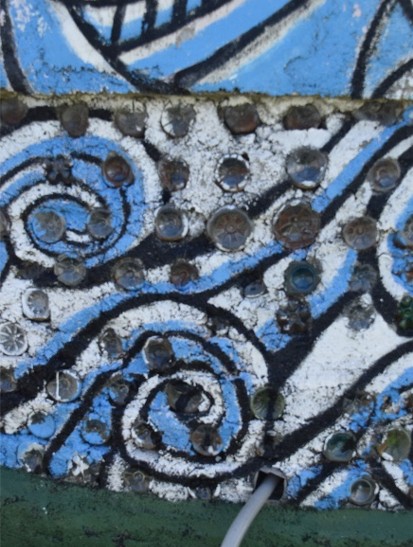
Kasiboan is a pavilion constructed from discarded plastic bottles collected by volunteers and local residents. Because the island lacks the waste-processing capacity to cope with the growing volume of garbage, waste has gradually accumulated across its fields and coastline. Through architecture built from recycled materials, Kasiboan advocates for reducing plastic consumption while reminding visitors of their environmental responsibility. By transforming waste into architecture, every visitor to Lanyu becomes, indirectly, a contributor to the making of this architecture. The project not only helps clean the environment but also delivers a powerful message. It made me deeply appreciate the power of architectural action.